How Customs Clearing Works at Dar es Salaam Port: A Step-by-Step Guide
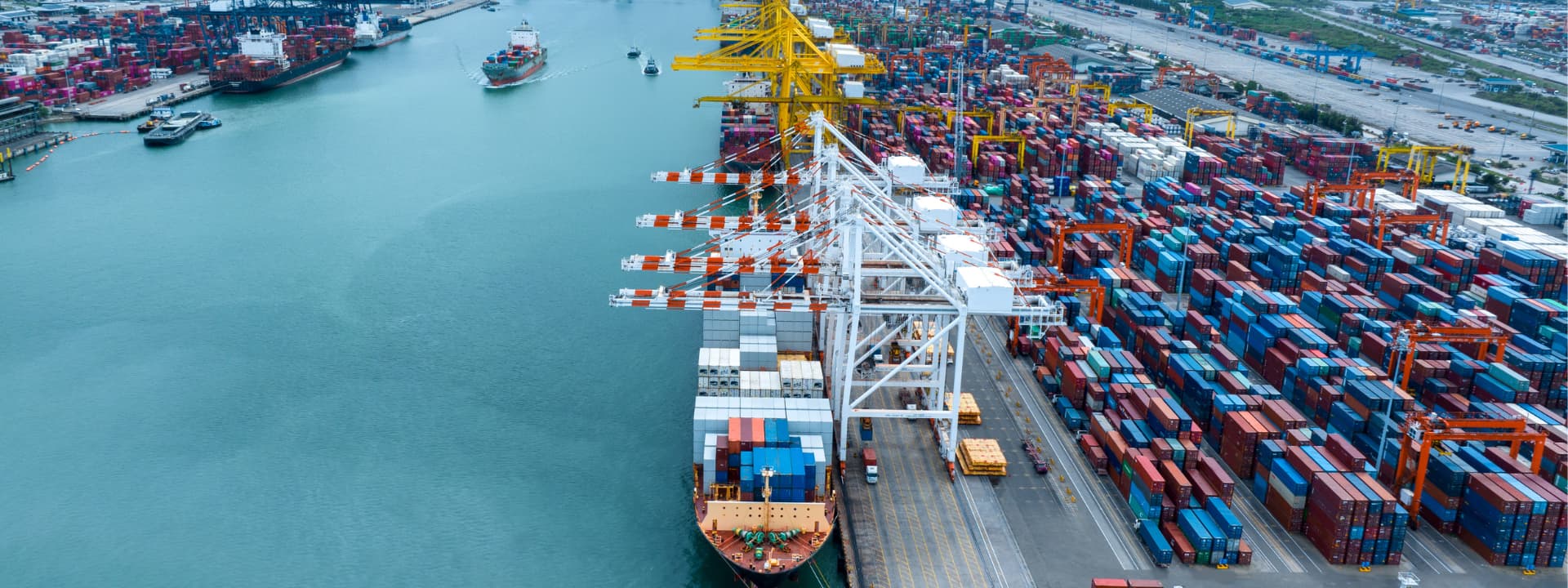
Dar es Salaam port handles most of Tanzania's imports and a large share of the cargo for Zambia, the DRC, Rwanda, Burundi, Uganda and Malawi. Clearing goods through it is routine for a clearing agent, but for an importer it can look like a maze of agencies, systems and charges. This guide walks through the process from the moment your goods are shipped to the moment they leave the port.
Who is involved
- Tanzania Revenue Authority (TRA), Customs: receives the declaration, assesses duties and taxes, and decides whether the cargo is inspected.
- Tanzania Ports Authority (TPA) and the terminal operator: discharge, store and hand over the container, and charge port fees.
- The shipping line or its agent: issues the delivery order once freight and local charges are paid, and takes a deposit or guarantee for the container.
- Regulators for specific goods: for example TBS (standards), TMDA (food, medicines and medical devices) and GCLA (industrial chemicals). They issue permits or certificates for the goods they cover.
- Your clearing and forwarding agent: a licensed agent who lodges the declaration on your behalf and coordinates everyone above. Clearing agents in Tanzania are licensed by TASAC.
The documents you need
- Commercial invoice showing the real transaction value
- Packing list
- Original or telex-released bill of lading
- Certificate of origin, if you want to claim preferential duty under EAC or SADC rules
- Certificate of conformity, for goods that must be inspected before shipment under the pre-export verification of conformity (PVoC) programme
- Permits or licences for regulated goods
- Your Taxpayer Identification Number (TIN)
- Insurance certificate, if insurance was arranged separately
Missing or inconsistent documents are the most common cause of delay. The invoice, packing list and bill of lading must agree on description, quantity and weight.
Step by step
1. Before the ship arrives
Send copies of the documents to your agent as soon as the cargo is shipped. The agent checks them, confirms the HS code (tariff classification) and lodges the declaration in TRA's customs system before the vessel arrives. Lodging early means the assessment can be ready by the time the container is discharged.
2. Assessment of duties and taxes
Customs value is based on the cost of the goods plus freight and insurance (CIF). On top of that value come:
- Import duty at the rate set by the EAC Common External Tariff for the HS code, from 0% for many raw materials and capital goods up to 25% or 35% for finished goods in some categories
- VAT at 18%, calculated on the duty-inclusive value
- Excise duty on some goods, such as vehicles, beverages and some fuels
- Other levies and fees set by TRA, which change from time to time; your agent should list each one in the breakdown
TRA issues an assessment with a control number, and you pay through your bank. Your agent should give you the full breakdown before you pay.
3. Verification
Based on risk, customs releases some declarations on documents alone and selects others for a document check or a physical inspection. If your container is selected, the agent attends the inspection at the port or an inland container depot and answers customs' questions.
4. Release from customs, the port and the shipping line
Once duties are paid and any inspection is complete, customs releases the cargo. The agent then pays port charges, collects the delivery order from the shipping line (after freight and local charges are settled and the container deposit is arranged) and books the truck.
5. Delivery and returning the container
The container leaves the port for your premises. After unloading, the empty container must go back to the shipping line's depot within the free days, or demurrage is charged.
How long it takes
With complete documents and an early declaration, a straightforward container can be released soon after discharge. Inspection, a valuation query or a missing permit can add days or weeks. Port storage and shipping-line demurrage start once the free period ends, so speed saves money.
Where shipments get stuck, and how to avoid it
- Undervalued invoices: customs compares declared values with its own data. A value that looks too low triggers a query and delays release.
- Wrong HS code: leads to a different duty rate and possibly penalties. Agree the classification before shipping.
- No PVoC certificate: goods that needed inspection at origin and arrive without it face penalties and inspection at destination.
- Permits applied for late: regulators can take time. Apply while the goods are still at sea.
- Bill of lading not released: the shipping line won't issue a delivery order until the original bill or a telex release is received.
Frequently asked questions
Can I clear goods myself?
Customs declarations at Dar es Salaam are lodged by licensed clearing agents. Using an experienced agent also protects you from the costs of mistakes.
Can goods go to an inland container depot (ICD) instead of staying in the port?
Yes, many containers are moved to an ICD for verification and collection. Ask your agent which depot your container will go to, as charges vary.
What about cargo going on to another country?
Transit cargo follows a different process with a transit declaration and a bond. See our guide to moving transit cargo from Dar es Salaam.
CFA Logistics clears cargo at Dar es Salaam every day. Send your documents through Get a quote and we'll check them and tell you the expected costs before your cargo arrives. More about our clearing and forwarding service.